Pour-over coffee is easy to begin and surprisingly rewarding to refine. You control how much water touches the grounds, how quickly it flows, and when the brew ends. The result can be a clean, expressive cup without complicated equipment. The trick is to begin with a repeatable recipe, change one variable at a time, and pay attention to what you actually taste.
Gather a few reliable tools
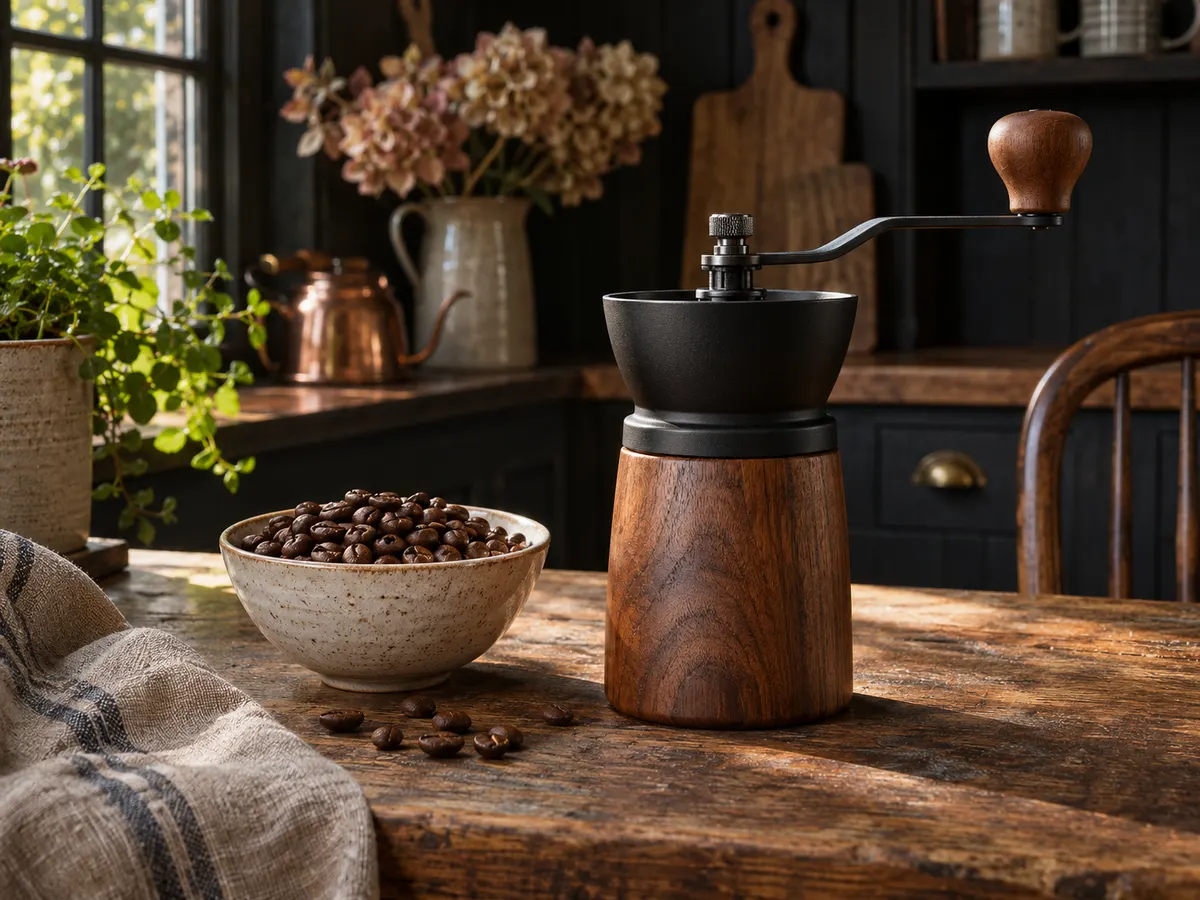
You'll need a dripper, correctly sized paper filter, fresh coffee, a mug or server, hot water, and ideally a kitchen scale. A gooseneck kettle makes pouring easier but is not required. A burr grinder is the most helpful upgrade because it produces more consistent particles than a blade grinder. Keep a notebook or a note on your phone for the coffee, grind setting, dose, and result.
A simple starting recipe
For one generous cup, use 16 g of coffee and 250 g of water. Start with a medium-fine grind, roughly like fine table salt, and water around 93–96°C (200–205°F). These are starting points, not strict rules. Light roasts may benefit from hotter water; darker roasts can become harsh if you brew too aggressively.
- Rinse the paper filter with hot water. This removes paper taste and preheats the dripper. Discard the rinse water.
- Add 16 g of grounds, level the bed, and place the server on your scale. Tare it to zero.
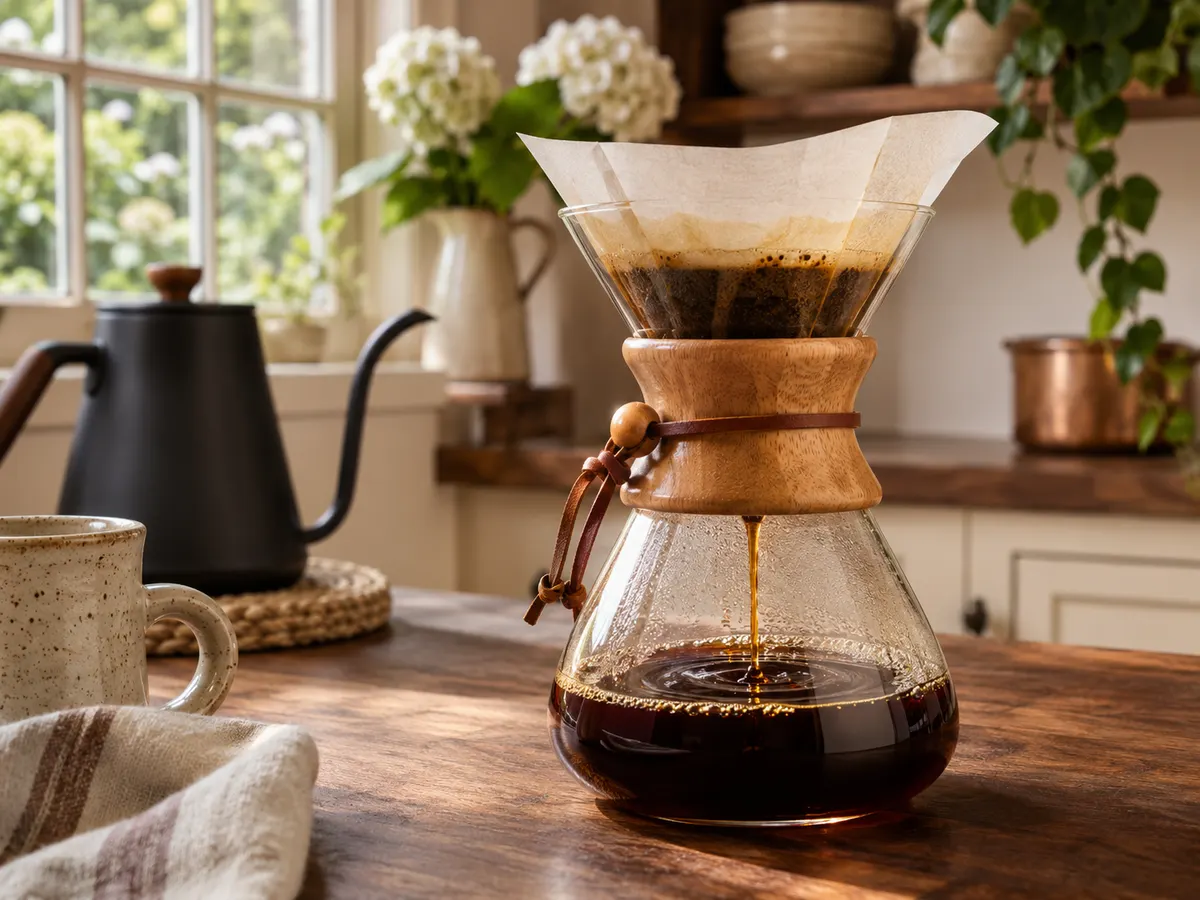
- Pour about 45–50 g of water, wetting all grounds. Wait 30–45 seconds while trapped gas escapes. This is the bloom.
- Pour slowly in gentle spirals, avoiding the very edge of the filter. Reach 150 g, pause briefly, then finish at 250 g.
- Let the water drain. A total brew time around 2½–3½ minutes is a useful reference, but flavor matters more than the stopwatch.
How to correct the taste
If the coffee tastes sharply sour or thin, it may be under-extracted. Try grinding a little finer, using slightly hotter water, or slowing the pour. If it tastes dry, aggressively bitter, or heavy, try a coarser grind or a gentler pour. If it's simply too strong, use more water; if watery but balanced, increase the dose slightly. Don't change all three at once.
Pouring habits that make a difference
Keep the kettle spout close enough to the slurry to avoid splashing. Try to wet the grounds evenly rather than leaving dry islands against the filter. When you finish pouring, a small gentle swirl can help settle the bed, though vigorous agitation may stall some filters. The same coffee can behave differently in different drippers, so build consistency with your own setup rather than chasing a universal time.
Common beginner mistakes
Pre-ground coffee that has sat open for weeks often loses aromatic character. Water with an unpleasant chlorine or mineral taste can dominate the cup. A scale that is not tared can throw off the ratio; a cold mug can make coffee seem dull. Finally, remember that a beautiful flat coffee bed is not the goal. A cup you enjoy is.
Our guides are educational and aim to help you make informed decisions. For information on how content is prepared, see our editorial policy. Have a correction? Get in touch.