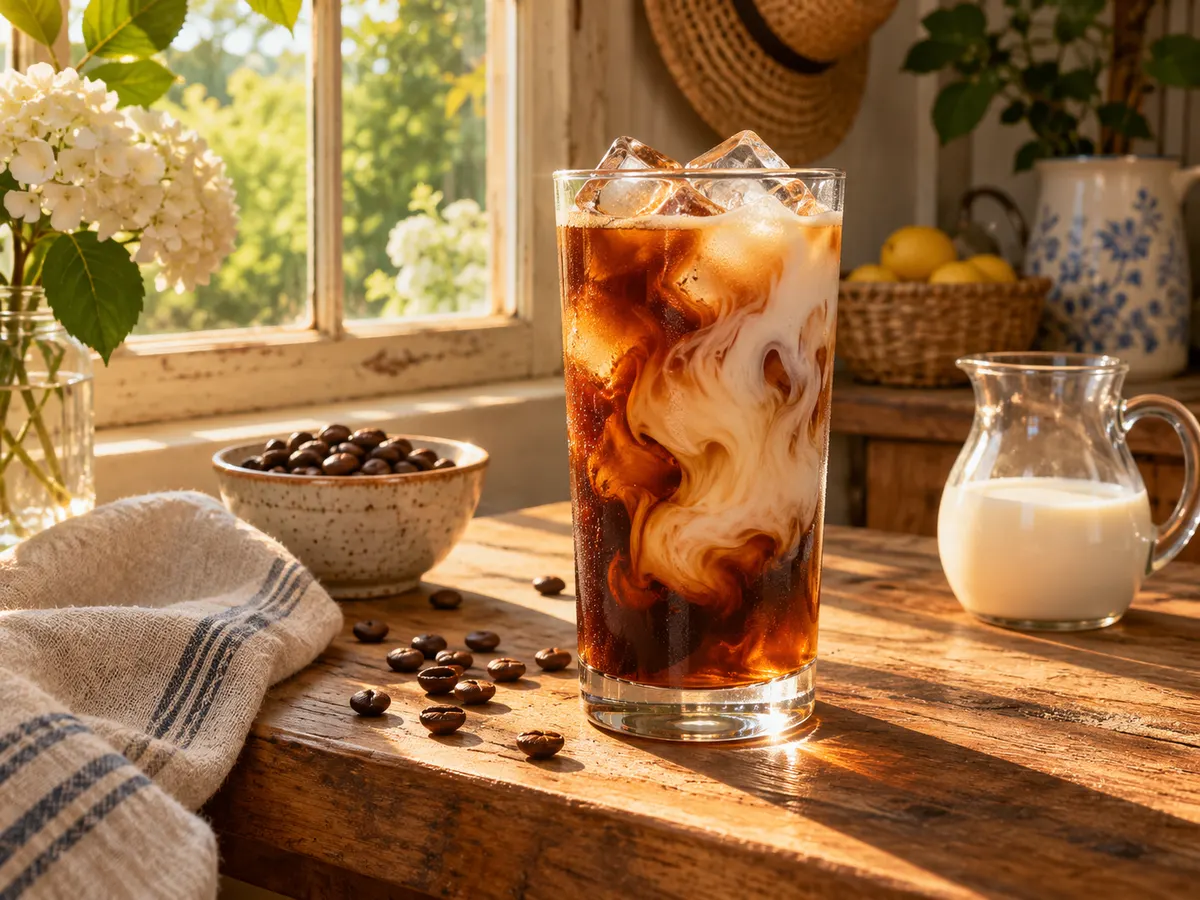
Cold brew and iced coffee can look identical in a glass, yet they are made differently. Cold brew extracts coffee using cool or room-temperature water over many hours. Iced coffee is usually brewed hot and then chilled or poured over ice. That change in extraction temperature and time influences which flavors end up in the cup.
What cold brew tastes like
Cold brew commonly tastes rounded, smooth, and less sharply acidic to the palate. It may emphasize chocolate and nut flavors, although the specific coffee and recipe make a big difference. Because it requires a long steep, it's convenient to prepare ahead and keep refrigerated. Cold brew concentrate can be diluted with water or milk before serving.
What iced coffee tastes like
Iced coffee brewed hot can retain bright aromatics and lively acidity. If brewed directly over ice, the melting ice becomes part of the final water amount, cooling the coffee quickly. This method is often called flash-brewed or Japanese-style iced coffee. It is a good choice when you want a freshly brewed cup with more defined, delicate flavors.
Easy cold brew recipe
- Combine 80 g of coarsely ground coffee with 800 g of cool drinking water in a clean container.
- Stir to wet the grounds, cover, and steep in the refrigerator for approximately 14–18 hours.
- Strain thoroughly through a filter; taste before deciding whether to dilute.
- Refrigerate the finished beverage in a clean sealed container and use promptly. Good hygiene matters for long-steeped drinks.
Easy flash-brew iced coffee
- Place 100 g of ice in a heatproof server.
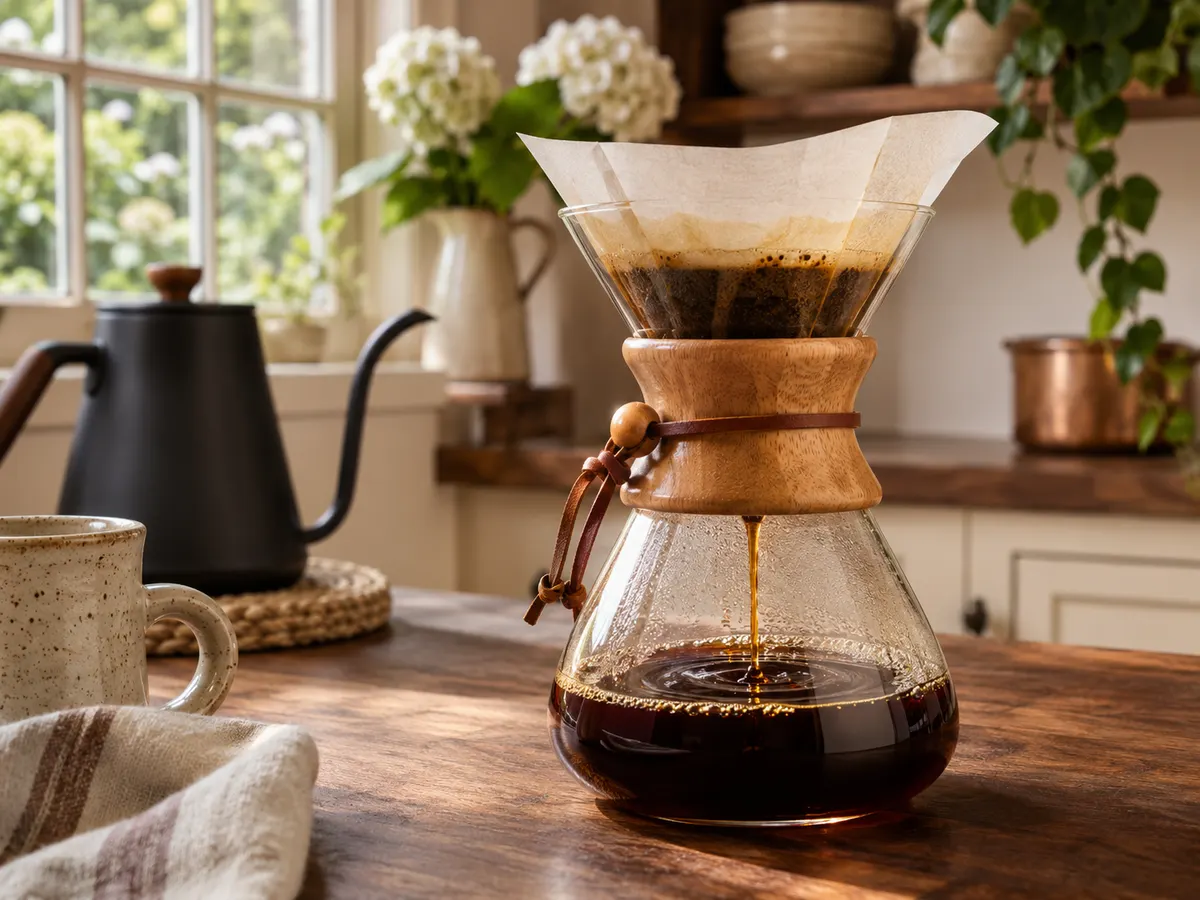
- Use 16 g of medium-fine coffee and brew with 150 g of hot water through a paper-filtered dripper.
- Swirl until the ice has mostly melted and serve immediately over additional fresh ice if desired.
Because ice dilutes the coffee, the hot portion is intentionally more concentrated. Adjust the ratio to suit your beans and glass size.
Which method is right for you?
Choose cold brew for batch preparation and a mellow, convenient drink. Choose flash-brew iced coffee if you like vivid flavor and don't want to wait overnight. Both are flexible with milk, citrus zest, or a small amount of syrup, though adding flavorings can hide the characteristics of an interesting single-origin coffee.
Avoid assuming that either method always contains more caffeine. Caffeine depends heavily on the coffee dose, brew ratio, serving size, and dilution.
Our guides are educational and aim to help you make informed decisions. For information on how content is prepared, see our editorial policy. Have a correction? Get in touch.