Fresh coffee contains fragrant compounds that gradually change after roasting. Storage can't freeze the coffee in time, but it can slow deterioration and keep unwanted flavors away. The good news is that you do not need a complicated container system. A sensible storage spot and careful buying habits are usually enough.
The four things to avoid
Air, heat, moisture, and light are the main everyday enemies of coffee freshness. Oxygen contributes to stale flavors, heat speeds chemical changes, moisture can spoil dry beans, and prolonged light exposure is unhelpful. Keep your coffee in a sealed opaque bag or container, away from the stove, dishwasher steam, and sunny windows.
Is the original bag good enough?
Often, yes. Many specialty roasters use opaque bags with a one-way valve and a reliable zip closure. Squeeze out excess air and close the bag completely after each use. Place it inside a cupboard if the packaging is exposed to light. An airtight canister is useful when bags don't seal well or you prefer a tidy counter.
Whole bean versus ground
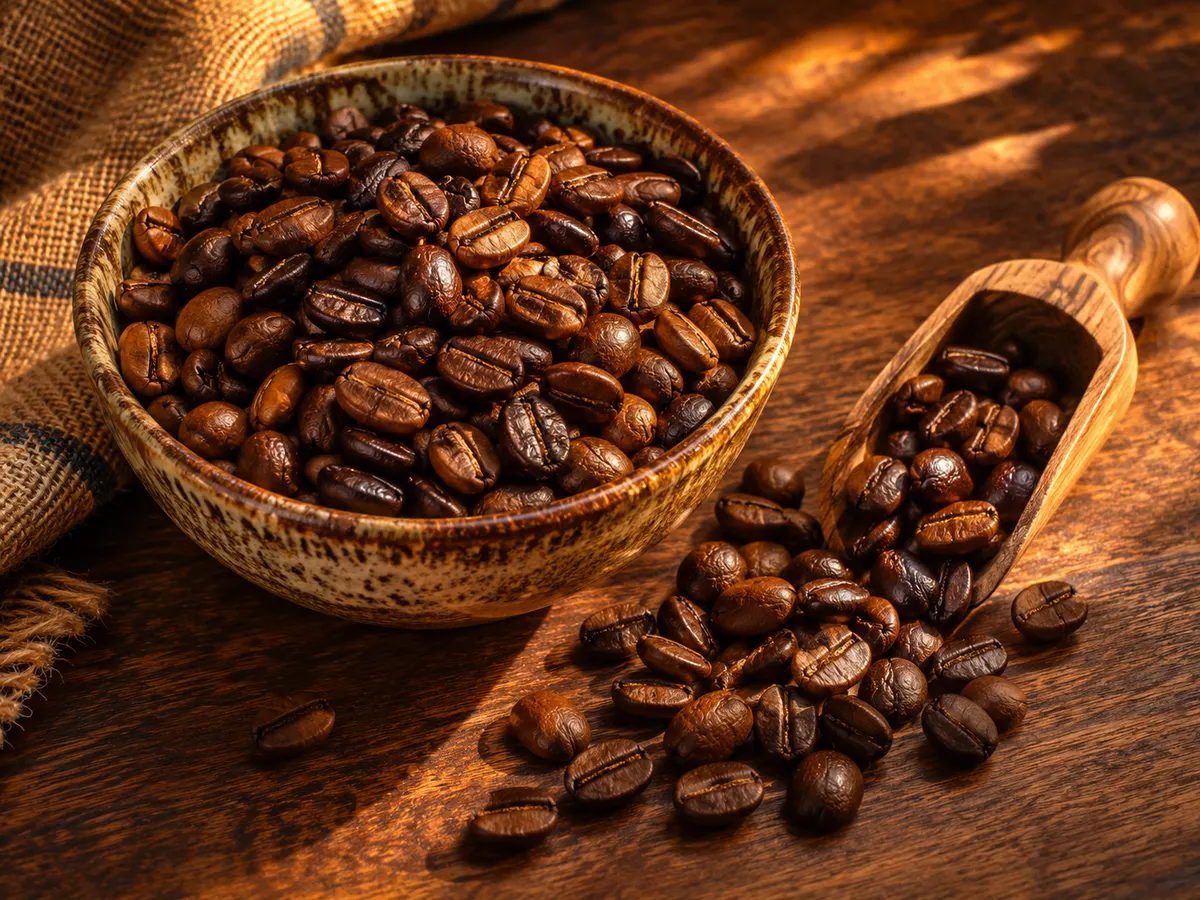
Grinding exposes much more surface area to oxygen, so ground coffee tends to lose aroma faster than whole beans. If you can, grind just before brewing. If you buy pre-ground coffee, choose smaller packages, reseal immediately, and select the grind appropriate to your brewer. Freshness is a balance between convenience and flavor, not a reason to waste coffee.
Should coffee go in the fridge or freezer?
For daily use, room-temperature storage in a cool cupboard is simpler than repeated trips to a refrigerator, where condensation and nearby odors can be concerns. Freezing can help protect a larger supply if beans are divided into airtight portions and kept frozen until needed. Avoid repeatedly opening a large cold bag in humid air, which encourages condensation.
Buy with your brewing habits in mind
If you use only 15–20 g per day, choose a package size you will finish comfortably. Record the roast date where available, but don't assume that coffee is at its best on the day it is roasted. Some coffees need several days of rest to brew comfortably, especially for espresso. Taste is the final test: flat aroma, muted sweetness, or stale cardboard notes are signs to refresh your supply.
Our guides are educational and aim to help you make informed decisions. For information on how content is prepared, see our editorial policy. Have a correction? Get in touch.