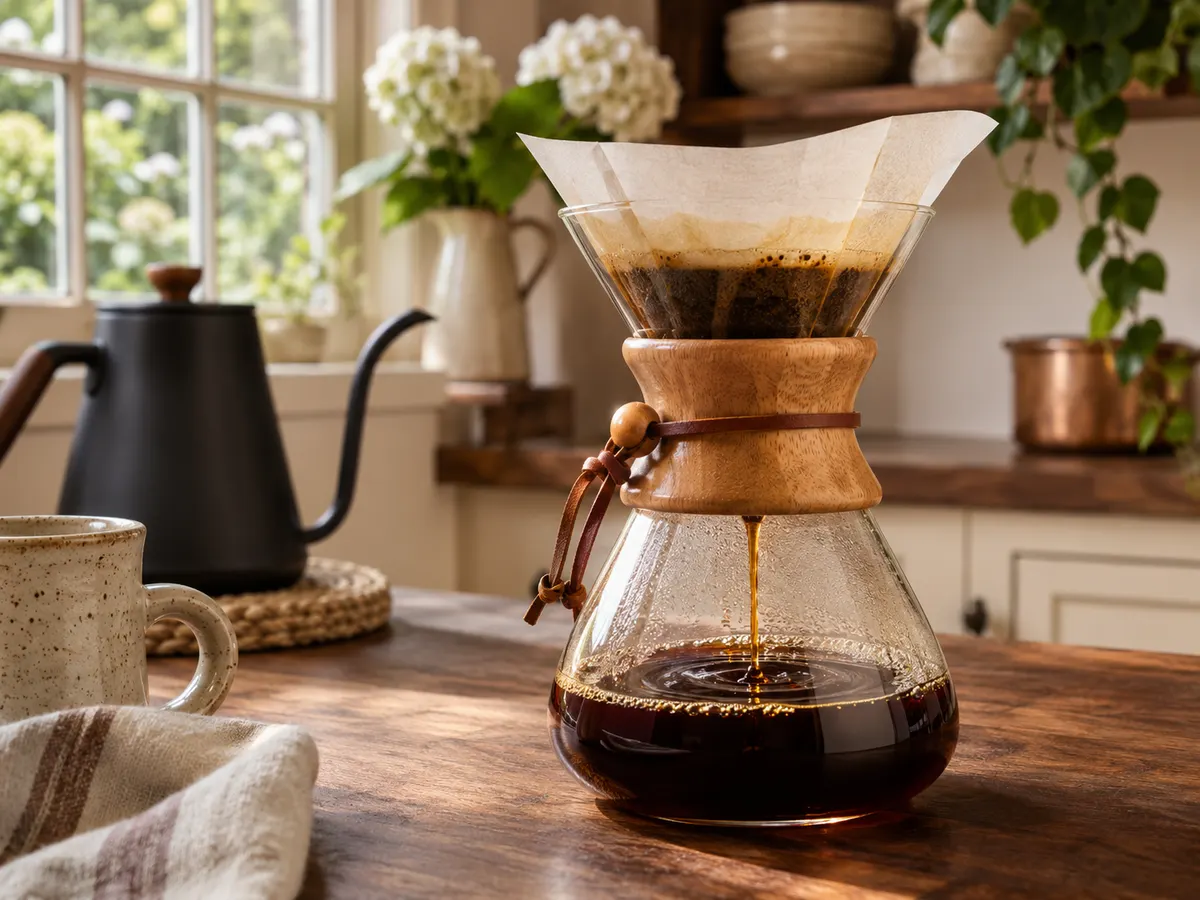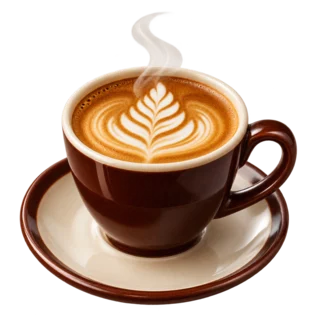
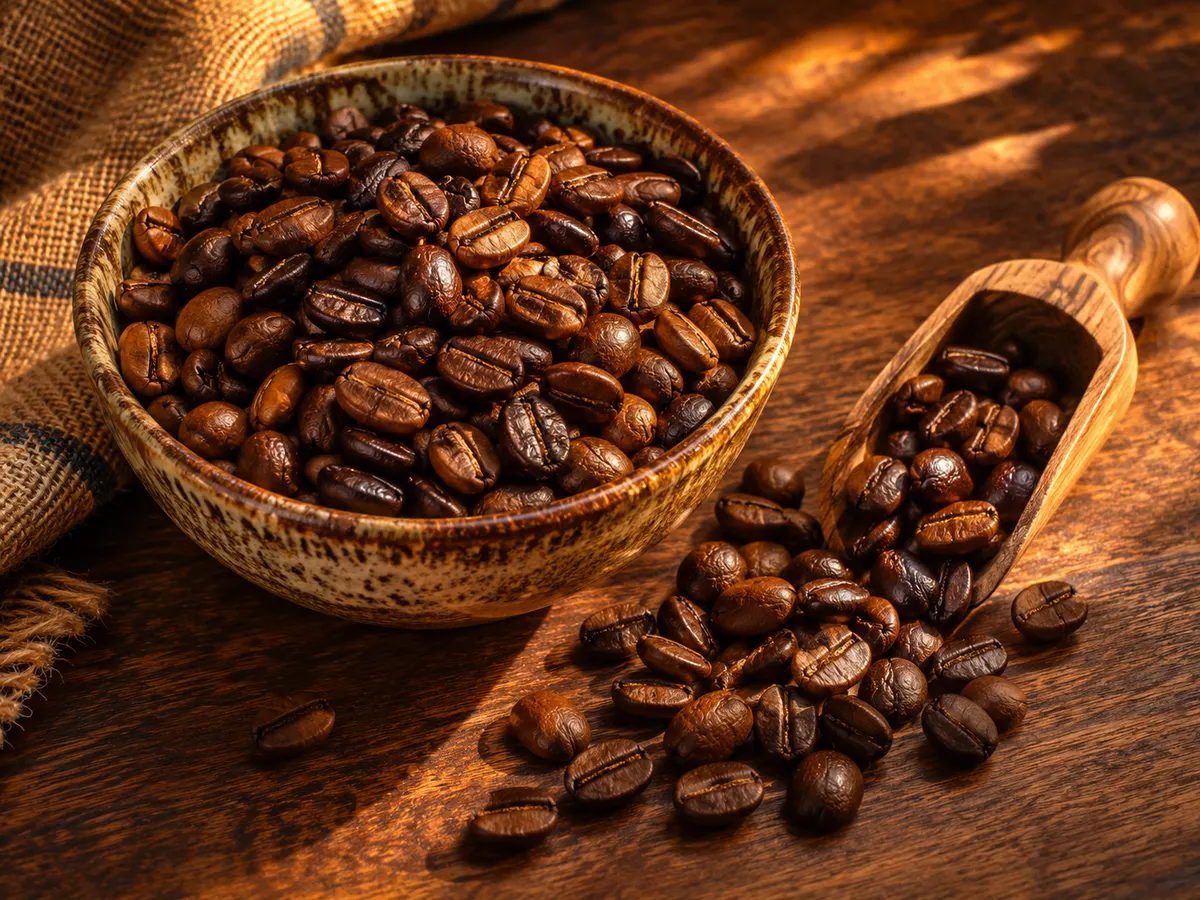
The easiest way to buy better coffee is to stop looking for a universally “best” bean and start noticing what you like. Some people want gentle cocoa and nut flavors. Others prefer bright fruit acidity or a bold, smoky profile. Roast, origin, processing, and brewing all shape the cup, but the tasting notes on the bag are clues, not guarantees.
Begin with roast level
Light roasts tend to preserve more of a coffee's fruit, floral, and delicate characteristics and can taste lively or acidic. Medium roasts often balance sweetness, body, and recognizable origin flavors. Dark roasts commonly emphasize roast-derived bitterness, caramelized notes, and a fuller impression. There is substantial overlap, so don't assume every dark roast is strong or every light roast is sour.
Decode the bag label
- Origin: a country or growing region provides context, but does not define flavor by itself.
- Processing: washed, natural, and honey methods can influence the sensory profile, alongside variety and roasting.
- Roast date: helpful for planning freshness. Many coffees benefit from a short rest after roasting; espresso can need longer than filter brews.
- Tasting notes: describe flavor associations, not added ingredients unless the product is flavored.
Match beans to your brew method
For black pour-over, try a light to medium roast with clear sweetness and an origin profile that intrigues you. For milk-based espresso, a medium or medium-dark coffee with chocolate and nut notes can pair well with milk. For cold brew, choose a bean whose flavor you already enjoy; slow cold extraction can soften perceived acidity but won't rescue stale coffee.
Buy an amount you can finish
A smaller fresh bag that you finish within a few weeks of opening is often a safer choice than a bargain bulk purchase that sits for months. Whole beans keep their flavor longer than pre-ground coffee. If you do not own a grinder, ask for a grind matched to your brewer and buy smaller amounts more frequently.
Build a simple taste journal
Note the coffee name, roast, brew method, and two honest descriptions such as “sweet and soft” or “bright but thin.” After three different coffees, patterns appear. You might discover you consistently prefer medium-roast washed coffees, or you may learn that natural-processed beans feel more exciting. Personal evidence beats a list of generic rankings.
A final freshness tip
Store beans in a cool, dark location in an airtight container. Avoid repeated changes in temperature and exposure to light, moisture, and air. See our coffee storage guide for details. Your favorite coffee is the one that tastes good through your everyday setup, not necessarily the most expensive bag.
Our guides are educational and aim to help you make informed decisions. For information on how content is prepared, see our editorial policy. Have a correction? Get in touch.