If you're upgrading your home coffee setup, a capable grinder is often the smartest place to begin. It affects extraction, repeatability, and the ease of making small adjustments. You do not need the most expensive grinder to make excellent coffee, but you do need one that suits the way you brew.
Burrs versus blades
Burr grinders crush coffee between two shaped surfaces, creating a more controlled particle-size distribution. Blade grinders chop coffee with a spinning blade and often create a wider mix of fine powder and large chunks. That makes extraction less consistent. For anyone brewing coffee regularly, a burr grinder is the more useful foundation.
Conical or flat burrs?
Both designs can produce excellent coffee. Burr geometry, alignment, motor speed, material, and overall engineering matter more than the shape alone. Some enthusiasts describe broad flavor tendencies, but these should not become hard rules when comparing products. Pay attention to actual grinding range, adjustment steps, retention, and cleaning access.
Know your grind range
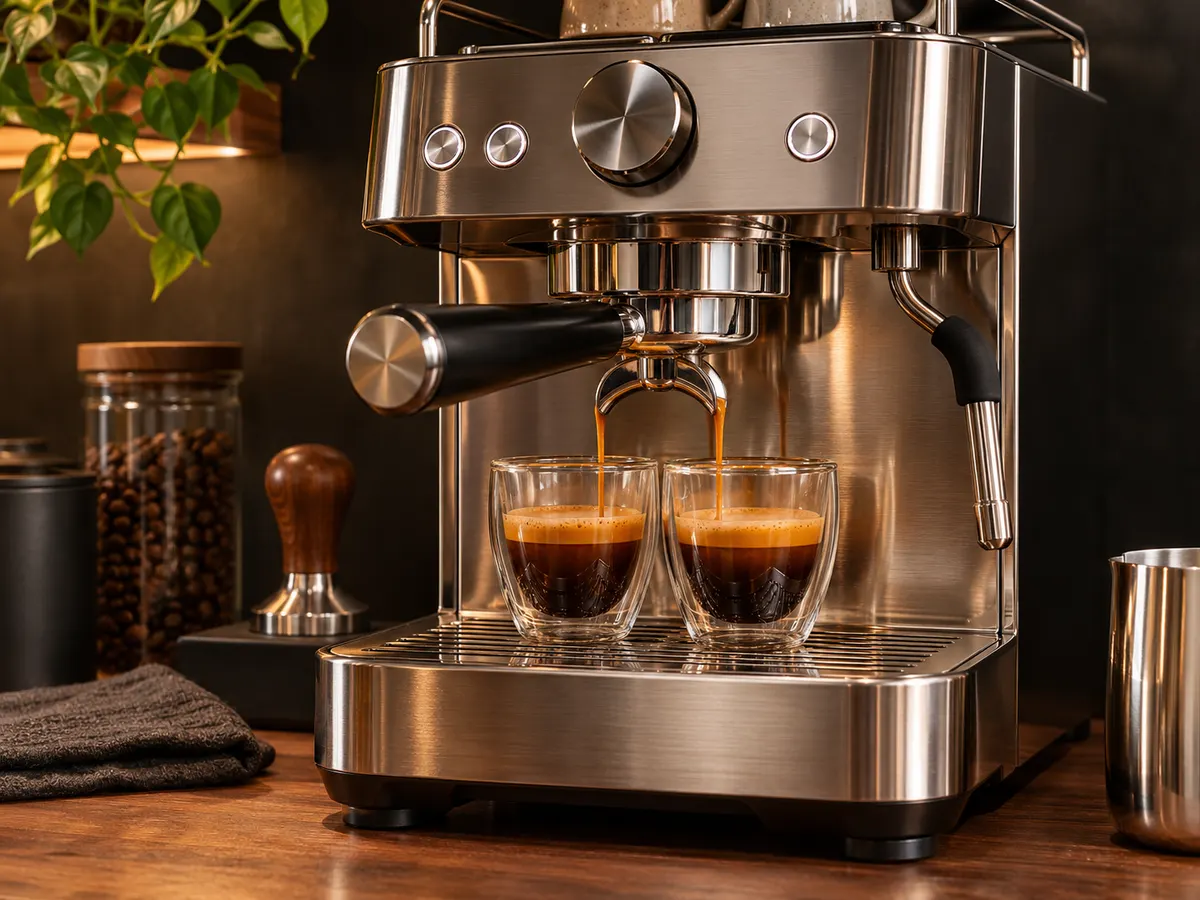
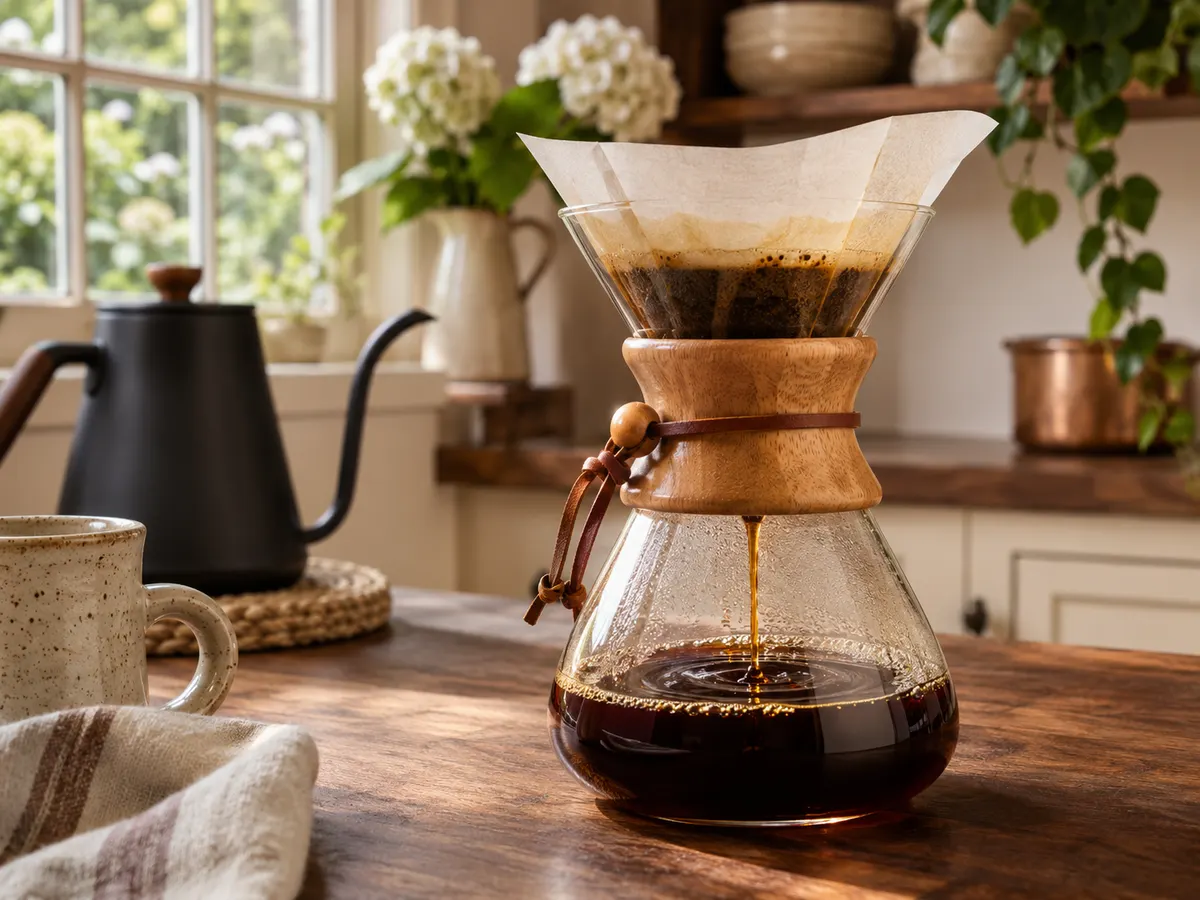
Filter brewing uses a range from roughly medium-fine to coarse depending on the device. Espresso needs fine control because small differences can change shot flow substantially. A grinder made only for filter coffee may struggle with espresso even if it can physically grind very fine. If you brew both, look for a model that can move between settings without a frustrating amount of recalibration.
Daily workflow matters
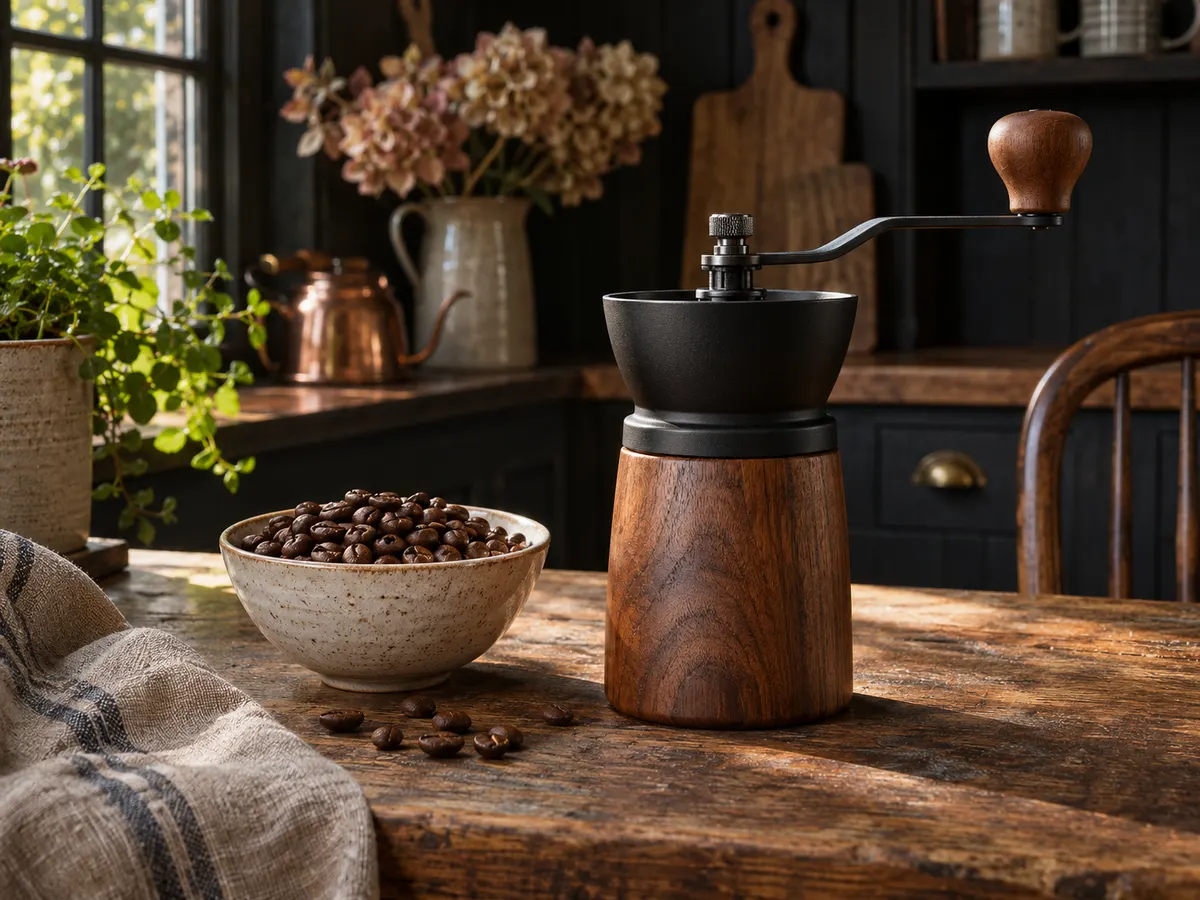
Ask how much coffee you grind at once. A quiet hand grinder is attractive for a single cup, while an electric machine may save time for a family. Check capacity, counter footprint, noise, static mess, grind-retention behavior, and how simply you can switch beans. Bells and whistles are secondary to a workflow you will enjoy.
Check repairability
Burrs wear gradually and parts can break. Look for instructions explaining how to open and clean the grinder and whether replacement parts exist. If a manufacturer offers accessible support, that adds long-term value. Avoid relying solely on dramatic product claims or an unverified top-ten list.
Final buying checklist
- Your main brew method is clearly supported.
- The adjustment steps are fine enough for your needs.
- The dose capacity fits your household.
- Cleaning and parts availability are reasonable.
- The grinder fits your real budget after buying good beans.
After purchasing, spend time learning the grinder rather than constantly switching equipment. A modest grinder used consistently can produce satisfying cups for years.
Our guides are educational and aim to help you make informed decisions. For information on how content is prepared, see our editorial policy. Have a correction? Get in touch.